This is a practical shortlist, not a race. Pick one river activity, one heritage stop and one food experience for each day, then leave room for traffic and heat.
Start with the Krishna River
The river is the reason Vijayawada exists. Begin at Prakasam Barrage, where the road crosses the Krishna and the water opens out on both sides. Early morning and late afternoon are the most comfortable times to walk or stop for photographs.
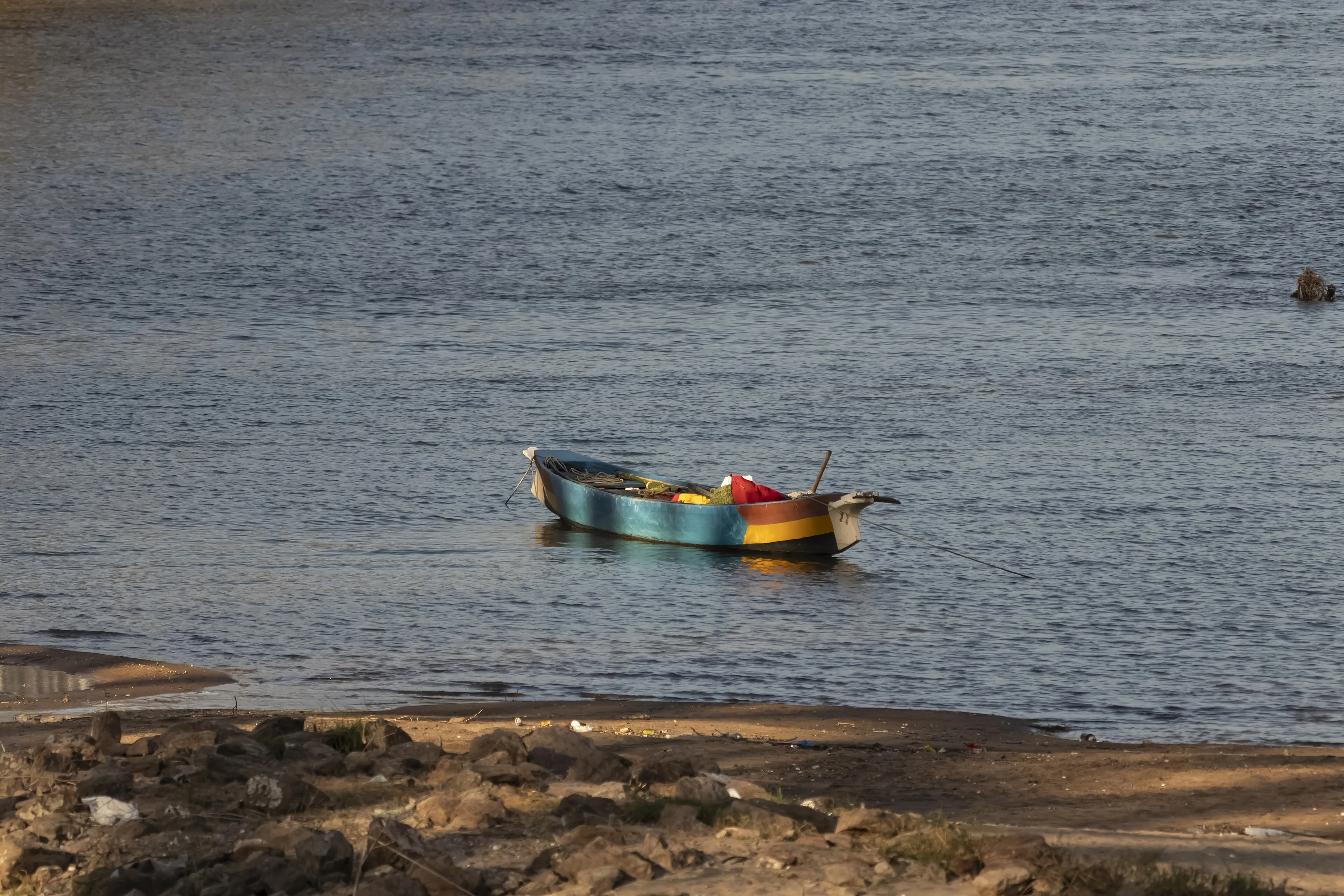
From the barrage area, boat services have traditionally run to Bhavani Island. The island is a leafy, low-lying river stop with waterfront views. Boat schedules, boarding points and activities can change with the season, so confirm locally before you build your day around it.
Visit Kanaka Durga Temple
The Kanaka Durga Temple on Indrakeeladri hill is the city’s defining landmark. Even if you are not religious, the scale of the devotion and the views over the Krishna make it worth planning around. Dress modestly, follow security instructions and expect queues at weekends and festivals.
Do not rely on a random blog for darshan timings or ticket prices. The temple administration publishes current information on its official site, and festival arrangements can override the normal schedule.
Add a heritage excursion
Two contrasting sites are within easy reach of the city. Kondapalli Fort is a hill fort north-west of town, with stone gateways and views across the green edge of the Eastern Ghats. Undavalli Caves, across the river, is a rock-cut complex known for its large reclining Vishnu carving.
| Choice | Best for | Practical note |
|---|---|---|
| Kondapalli Fort | Walkers, photography, half-day road trip | Uneven ground and limited shade; carry water and wear grippable shoes |
| Undavalli Caves | Short cultural stop, combining with Amaravati | Check access and opening arrangements; the site is across the Krishna |
| Amaravati area | Buddhist heritage and capital-region context | A large, evolving area; confirm which site you are visiting |
Eat an Andhra meal — and then explore
A proper Andhra meal is a good introduction to the city’s palate: rice with pappu, seasonal vegetables, pickle, curd and something fried or spicy on the side. Tiffin — idli, dosa, pesarattu and similar — is the other essential meal, especially at breakfast.
Biryani is popular across the city, with both Andhra and Hyderabad-influenced styles. Our restaurants guide explains what to look for and how to choose a place; we do not publish a “best biryani” list until restaurants have been independently checked.
- Eat where the turnover is high and the food is freshly cooked.
- Ask about spice levels before ordering; “less spicy” is a normal request.
- Choose bottled or filtered water if you are not used to the local supply.
- Vegetarian food is widely available, but confirm ingredients if you avoid ghee or dairy.
Wander One Town and the markets
One Town is the old commercial quarter: narrow lanes, wholesale shops and a density of everyday activity that is very different from the polished malls near Benz Circle. Go in the morning, wear comfortable shoes and keep valuables close. It is not a curated attraction, which is exactly the point.
For a less intense shopping stop, the central malls and MG Road area are easier to navigate and air-conditioned. Neither option is a substitute for the other.
Catch a festival or a local event
If your visit coincides with Dasara, the city is at its most intense; the temple is the centre of it, and roads around Indrakeeladri become crowded. Sankranti and Ugadi bring their own food and family traditions. The Vijayawada Book Festival is a recurring civic event, but dates change, so check local listings rather than assuming it will be on.
Outside festival season, an evening at a local cinema, a walk through a neighbourhood market or simply a long dinner with friends will tell you more about the city than another monument.
Plan a slow evening
The heat makes evenings the best time to be outside. A simple plan: a late-afternoon temple visit, a drive or walk to the barrage for sunset, then dinner near Benz Circle or MG Road. If you are staying near the station, eat locally rather than crossing town; the area has plenty of everyday options.
Check the best time to visit page if you are travelling in summer or monsoon. The city is usable year-round, but the rhythm changes.
If it rains, or the heat is too much
- Shift outdoor sights to early morning and keep the middle of the day for food, museums or rest.
- Use the attractions map to group stops and reduce cross-city travel.
- Visit a mall or a large bookstore; both are part of local weekend life.
- Keep a buffer in your schedule. A sudden shower can turn a 20-minute drive into a much longer one.
A simple two-day plan
| Day | Morning | Afternoon | Evening |
|---|---|---|---|
| Day one | Kanaka Durga Temple, early if possible | Andhra lunch, then rest through the hottest hours | Prakasam Barrage and riverfront; dinner in the centre |
| Day two | Bhavani Island or a river walk, subject to boat operations | One Town markets or a heritage excursion | Food-focused evening or a local event |
Add a third day for Kondapalli Fort or Undavalli and Amaravati. Check current opening arrangements before leaving.
Build your own version with the itinerary planner, or use the travel guide for arrival and transport details.
Frequently asked questions
What is Vijayawada best known for?
Vijayawada is best known for Kanaka Durga Temple, its Krishna River setting and Prakasam Barrage, its Andhra food, and its role as a major rail and road junction in Andhra Pradesh.
Is one day enough for Vijayawada?
One day is enough for the temple and the riverfront if you start early, but it leaves no room for a heritage excursion or a relaxed food day. Two full days is a more comfortable minimum.
Can I visit Bhavani Island without a boat?
No. Bhavani Island is in the Krishna River and is reached by boat. Services and boarding points can change, so confirm current operations locally before travelling to the jetty.
What should I wear in Vijayawada?
Light, modest clothing works for most situations. Cover shoulders and knees for temples, wear comfortable shoes for forts and markets, and carry a layer for air-conditioned transport.
Sources and further reading
- Sri Durga Malleswara Swamy Varla Devasthanam — official website Temple administration; use for current darshan and seva information
- NTR District Administration — tourism Official district information
- OpenStreetMap Locations and coordinates, retrieved 25 Nov 2026
- Wikimedia Commons — image credits Photographer, licence and source for every photograph used on this site